Smart Ring vs. Oura Ring: Which One Actually Makes Sense in 2026?

If you've started shopping for a smart ring, odds are Oura is the first name that came up. It's the ring that made the category mainstream: sleek titanium, a polished app, plenty of press coverage. But there's a catch that trips a lot of buyers up after checkout: Oura requires a monthly membership to see most of your own data. Miss a payment and the ring keeps recording, but the app stops telling you what any of it means.
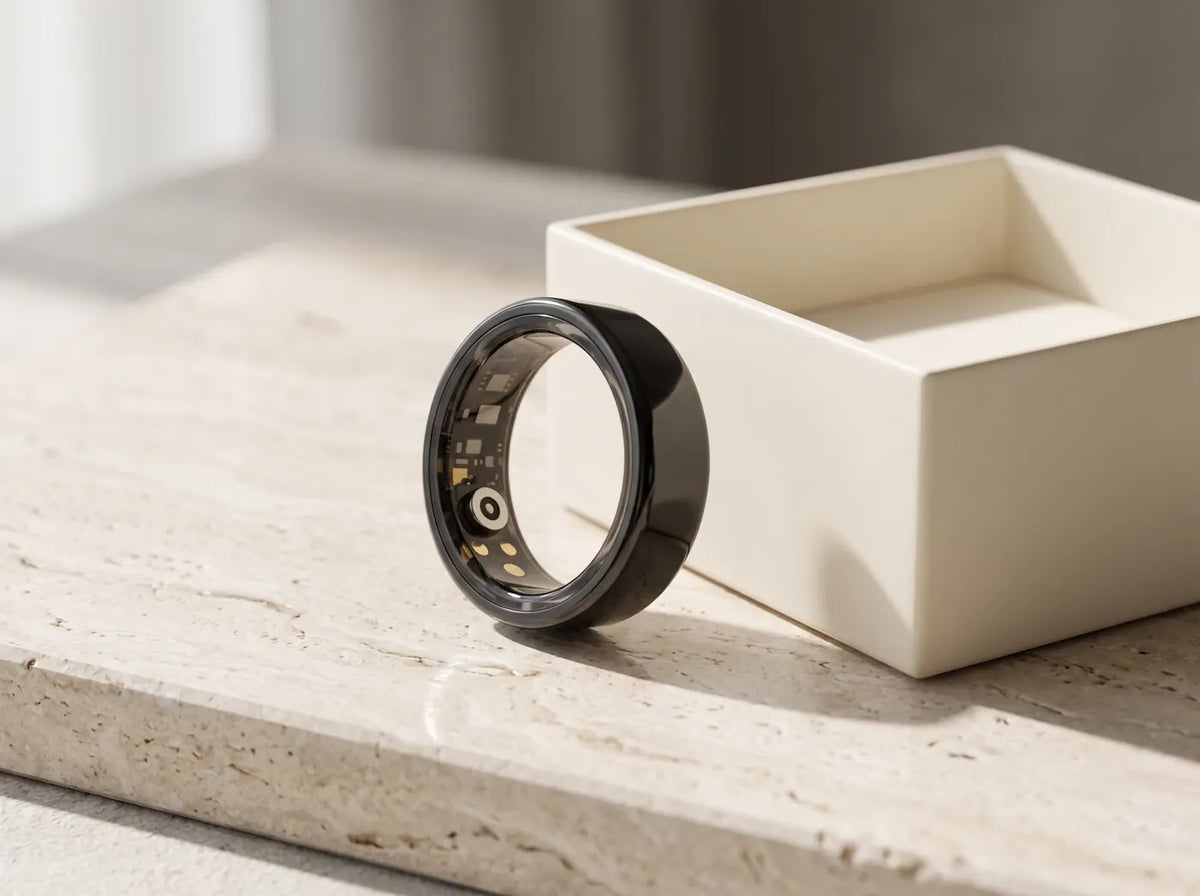
That's the exact gap Odessa was built to close: a genuinely affordable smart ring with a smart ring no subscription model. Pay once, keep every feature, for good.
What both rings actually track
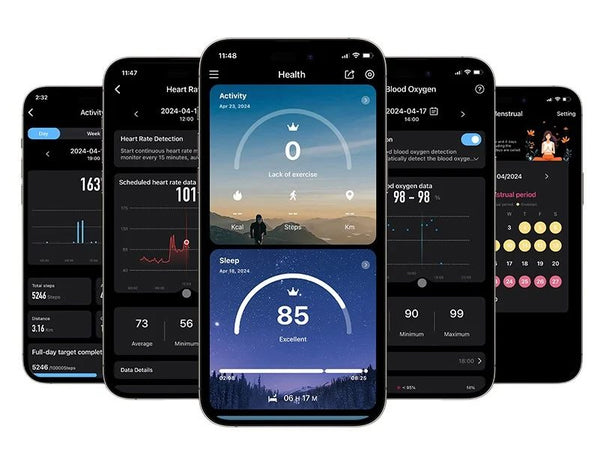
Strip away the marketing and the core sensor readings are more similar than different. Both Oura and Odessa track continuous heart rate, sleep stages and sleep quality, blood oxygen (SpO2), skin temperature trends, stress levels, and steps, distance and daily activity.
Both are water-resistant enough for showers, workouts and swimming (Odessa is rated 5ATM), and both sync automatically over Bluetooth to a free iOS/Android app.
Where the real difference is: price
Oura's ring itself starts around $299–$349 depending on finish, and that's before the membership. Oura Membership runs roughly $5.99–$6.99 a month — call it $70–$84 a year, every year, for as long as you own the ring. Over three years that's an extra $210–$250 on top of the ring's own price.
Odessa starts at $79.99, one price, and the app is free with every feature unlocked from day one. There's no tier to upgrade to and nothing that gets locked behind a paywall later. If you're comparing total cost of ownership rather than sticker price alone, it isn't close.
 Screen-free · No subscriptionOdessa Smart RingShop the ring →
Interactive · Priority scorecard
Odessa or Oura? Score what matters to you
Move each slider. The bar shows which ring fits your priorities best. Oura wins on some of these, and the score says so.
Odessa looks like your fit. Your priorities lean on no subscription, price and style. Odessa is $79.99 once, with every app feature free.
Oura may suit you better. If deep insights and a long research track record matter most, Oura is a strong choice; budget for the ring plus the monthly membership.
It's close. Try deciding on the 2-year cost: Odessa is $79.99 once; Oura Ring 4 is from $349 plus $5.99 a month after the first month.
A simple weighting we set, not a test result. Oura Ring 4 from $349 (Silver/Stealth) and membership $5.99/month, first month included: ouraring.com, checked 17 Oct 2026. Prices vary by finish and region.
Where Oura still has an edge
To be fair, Oura has a longer track record, a larger research partnership network, and a slightly more mature trend-analysis layer in its app (things like a long-run "Readiness Score" built from years of aggregate data). If you want the absolute deepest longitudinal analytics and don't mind paying for it monthly, Oura remains a strong, well-supported choice.
Who Odessa makes more sense for
Odessa is built for people who want the core numbers that actually change daily decisions — how you slept, your resting heart rate trend, when your stress is spiking, how active you were — without turning a one-time purchase into a recurring bill. If you've been put off smart rings specifically because of the subscription model, or you just want an affordable smart ring that doesn't ask for more money every month, Odessa is designed exactly for that.
The bottom line
Both rings will tell you how you slept last night. Only one of them keeps telling you for free. If the subscription is the thing giving you pause, that's the whole decision right there.